Necessary Factors to Consider and Types to Explore When Buying New Shipping Containers
When thinking about the acquisition of new Shipping containers, numerous critical elements enter into play. Container size and meant usage significantly affect the decision. Material types likewise impact toughness and functionality. In enhancement, recognizing budgetary restraints is vital. Each aspect needs cautious idea to ensure the container satisfies details needs. Nonetheless, the complexities of these elements can cause complication. Exploring them more can offer clarity and guide customers toward an educated choice.
Comprehending Container Sizes and Dimensions
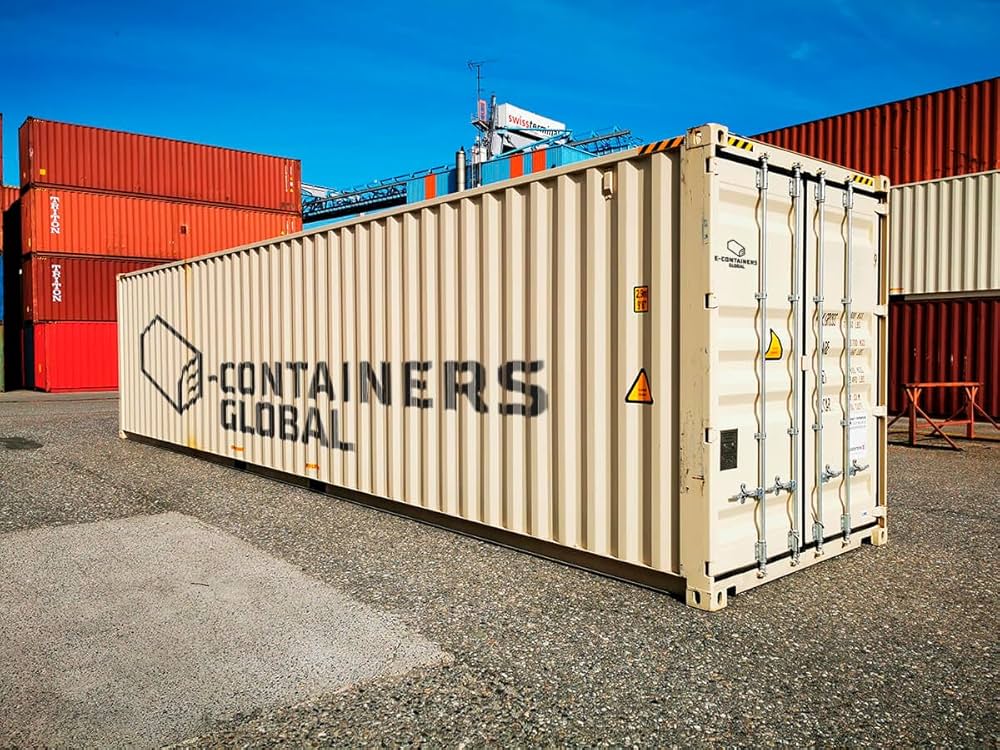
Shipping containers can be found in numerous dimensions and measurements, vital for meeting certain transportation and storage space needs. One of the most common container sizes are 20-foot and 40-foot devices, with the 20-foot container supplying around 1,160 cubic feet of room, while the 40-foot variation offers about 2,390 cubic feet. Furthermore, there are high-cube containers that provide extra height, permitting even more volume and fitting bigger freight.
Specialized containers, such as cooled devices, are offered for carrying temperature-sensitive items, while flat shelf containers are made for extra-large products. When choosing a container, it is vital to examine the desired use, as various sizes can significantly affect Shipping expenses and logistics. Recognizing the dimensions and capability of each container type enables customers to make educated choices, ensuring effective transport and best utilization of area for their cargo needs.
Assessing Container Condition: New vs. Utilized
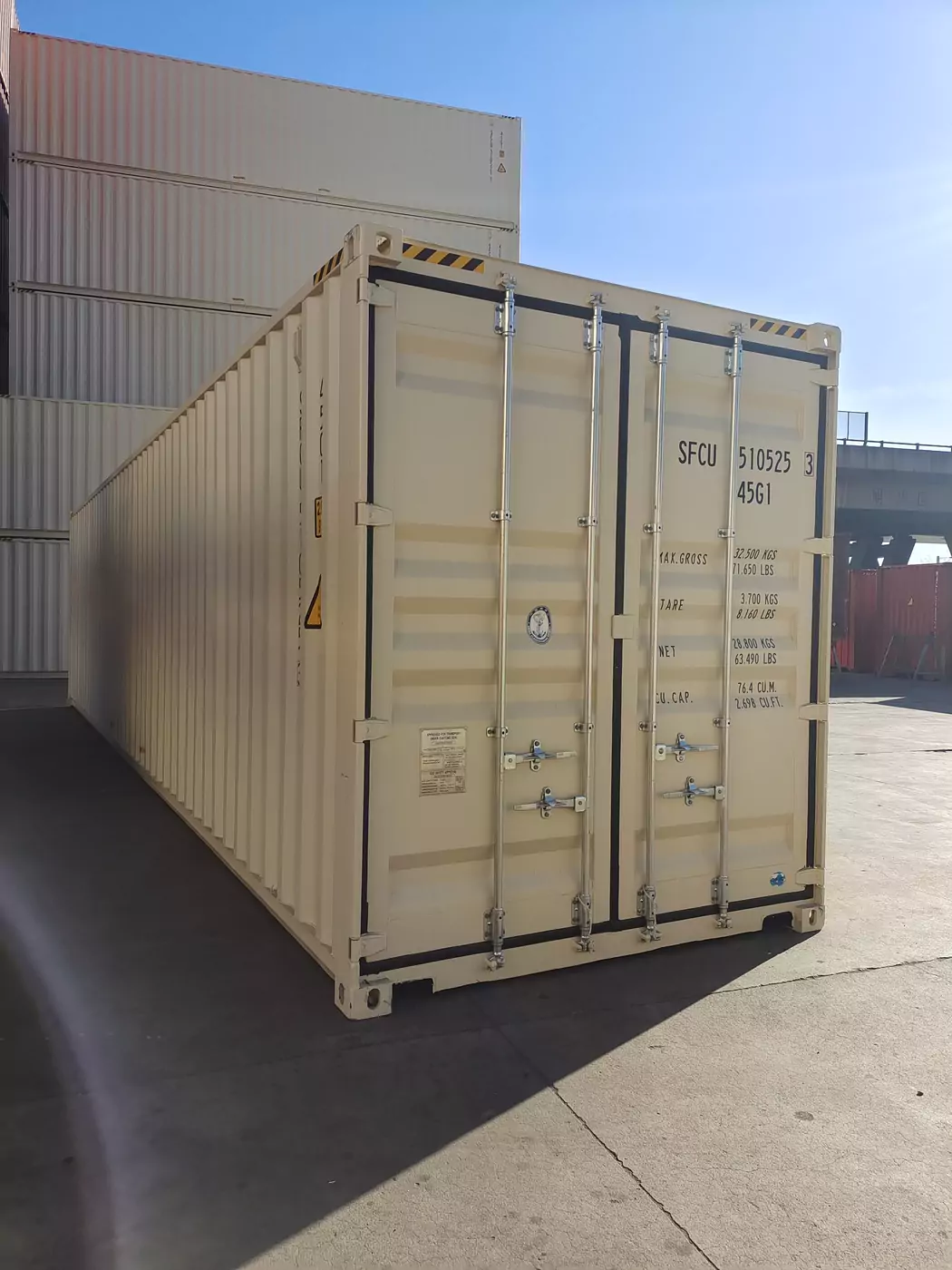
When picking a shipping container, customers should consider the condition of the device, whether new or used (New Sea Containers For Transportation). New containers use the advantage of pristine condition, ensuring architectural integrity and a longer life-span. They normally include warranties, providing satisfaction for buyers seeking reliability in transportation or storage. Brand-new containers are frequently a lot more expensive.
On the various other hand, used containers can provide considerable price financial savings. These devices might show indications of wear, such as corrosion or dents, yet many are still structurally sound and suitable for different purposes. Purchasers should extensively examine utilized containers for leakages, structural damage, and total condition to verify they fulfill their requirements. Accreditation of seaworthiness can likewise be an important indicator of high quality. Eventually, the decision in between previously owned and new containers need to line up with the buyer's spending plan, intended use, and long-lasting plans for the container.
Product Kinds and Their Ramifications
While lots of customers concentrate on the problem of Shipping containers, the product type additionally plays an important duty in establishing their suitability for numerous applications. The majority of Shipping containers are created from corten steel, known for its toughness and resistance to deterioration. This makes them suitable for international delivery, where direct exposure to severe weather is usual.
Another choice consists of modified containers made from wood or composite materials, suitable for innovative applications. Each product kind has distinct ramifications, influencing longevity, upkeep demands, and general cost - New Shipping Containers For Sale. Buyers must carefully analyze these factors to ensure their chosen container lines up with their designated objective and ecological problems
Intended Use: Storage Space, Offices, or Living Areas
Determining the intended usage of a delivery container can significantly influence the selection process, as various applications call for certain features and modifications. For storage functions, containers may need ventilation, shelving, or environment control to safeguard goods from moisture and temperature variations. On the other hand, when created as office, containers commonly require insulation, electrical circuitry, and home windows to create a comfortable and useful working environment.
If the objective is to develop living areas, extra considerations come right into play, such as pipes, improved insulation, and aesthetic finishes (New Sea Containers For Transportation). Each meant usage demands a various strategy to layout and functionality, which straight affects the overall price and feasibility of the job. Therefore, comprehending the details requirements of storage, workplace, or living applications is essential in making an educated decision when purchasing a delivery container
Budgeting for Your Shipping Container Acquisition
As possible customers check out the choice of purchasing a delivery container, developing a clear spending plan becomes important to the decision-making procedure. Delivering containers can be found in numerous sizes and problems, which greatly influence their prices. New containers generally cost greater than utilized ones, however they might use much better durability and fewer repair services.
To properly handle their budget plan, customers ought to conduct thorough study to contrast prices from multiple providers and analyze the container's condition. By taking these aspects right into account, prospective customers can make enlightened economic decisions that straighten with their certain requirements and lasting goals.
Frequently Asked Questions
Can I Customize My Shipping Container After Purchase?
Yes, shipping containers can be customized after acquisition. Proprietors commonly modify them for numerous usages, such as adding doors, home windows, insulation, or electric systems, tailoring the container to meet certain demands or choices.
What Permits Are Required for Positioning a Shipping Container on My Building?
The needed permits for positioning a shipping container on building differ by area. Typically, homeowners should check with local zoning legislations, building codes, and potentially obtain permits for structures, storage, or land use as required.
How Do I Move a Shipping Container to My Area?
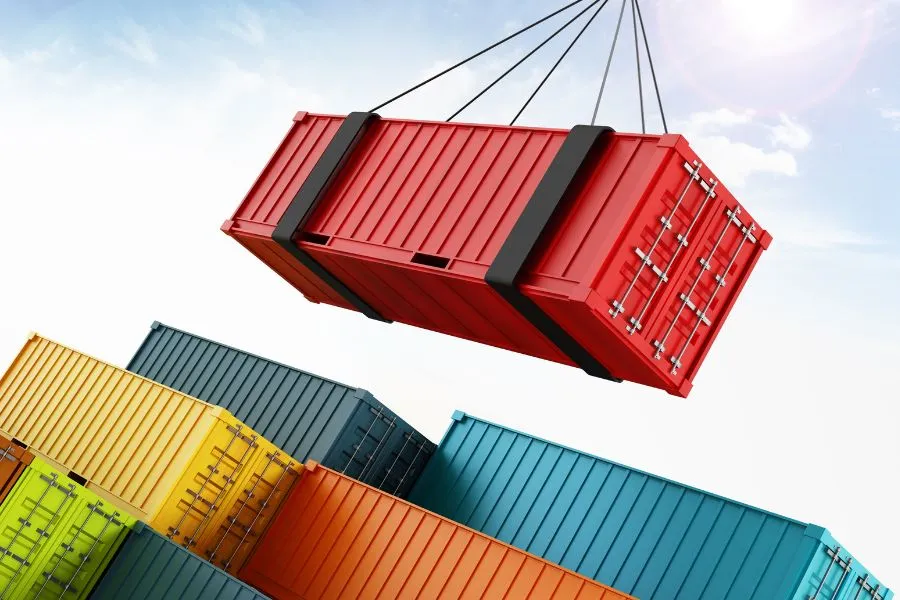
To transport a shipping container, one need to schedule a flatbed truck or specialized container transportation automobile. Appropriate see tools and licenses are vital to ensure secure shipment and compliance with regional regulations during transportation.
Are There Funding Options Available for Buying Shipping Containers?
Yes, different financing options are offered for buying Shipping containers, including loans, leases, and rental agreements. Several distributors supply versatile layaway plan to suit financial circumstances and various budget plans, guaranteeing access for potential customers.
What Is the Average Life-span of a Delivery Container?
The ordinary lifespan of a delivery container typically varies from 10 to 25 years, depending on elements such as use, maintenance, and environmental conditions. Appropriate care visit the site can substantially prolong the container's longevity and use.
The most usual container sizes are 40-foot and 20-foot systems, with the 20-foot container supplying about 1,160 cubic feet of room, while the 40-foot version offers about 2,390 cubic feet. Specialized containers, such as refrigerated units, are offered for moving temperature-sensitive items, while flat rack containers are created for oversized products. When selecting a delivery container, customers have to think about the condition of the system, whether new or used. While several buyers concentrate on the problem of Shipping containers, the product type additionally plays a vital duty in establishing their suitability for various applications. To click over here transport a delivery container, one need to set up for a flatbed truck or specialized container transport car.